Protection of works and eligibility for protection – when and to what extent your work is protected
Whether a text, a photograph, a piece of music or a design is protected by copyright determines all further issues. In particular, this concerns licences, claims against infringers and the defence against third-party claims. The law does not require registration; rather, protection arises upon creation. However, the scope of protection must be determined on a case-by-case basis, taking all circumstances into account.
Our solicitors and specialist copyright lawyers will assess whether your work meets the required level of originality, the extent of the protection afforded, and which other intellectual property rights may apply.
Inquiry Website
You have further questions about our consulting services? Talk to us or send us an e-mail.
You can also send us a message using the contact form below. If you wish, we can also call you back.
What copyright protects
Protection is afforded to personal intellectual creations in the fields of literature, science and the arts (§ 2 UrhG). These include, in particular, literary works and computer programmes, music, works of fine and applied art, architectural works, photographs, films and scientific and technical illustrations. Ideas, styles, methods and mere information remain in the public domain. Copyright covers only their specific form of expression.
Level of creativity and scope of protection
A work must be the expression of an individual creative conception. The requirements are the same for all types of work, including product designs and so-called applied art. In practice, protection for everyday objects, logos and short texts often fails because function or convention dictates the design, leaving little scope for individuality. The more original a work’s design, the broader its protection against imitation.
Neighbouring rights and other intellectual property rights
The law also protects certain works under neighbouring rights, even without a threshold of originality. For example, simple photographs, sound recordings, databases, performances by performing artists and press publications are protected as so-called neighbouring rights. If copyright protection is insufficient, registered designs, trade marks or protection against imitation under competition law may also be considered. We always assess and advise on a case-by-case basis as to which combination of forms of protection best safeguards your work (Further information is available in the ‘Design and Patent Protection’ section).
Proof of authorship
In the event of a dispute, the author must prove their authorship. Anyone who is identified as the author of a work in the customary manner is presumed to be the author until proven otherwise (§ 10 UrhG). Drafts, raw files, metadata and timestamps facilitate the provision of such evidence. We advise you on how best to document your works before a dispute arises.
Tell us about your work and the issue you’re facing. Our copyright solicitors will work with you to find the best possible solution.
Your partners
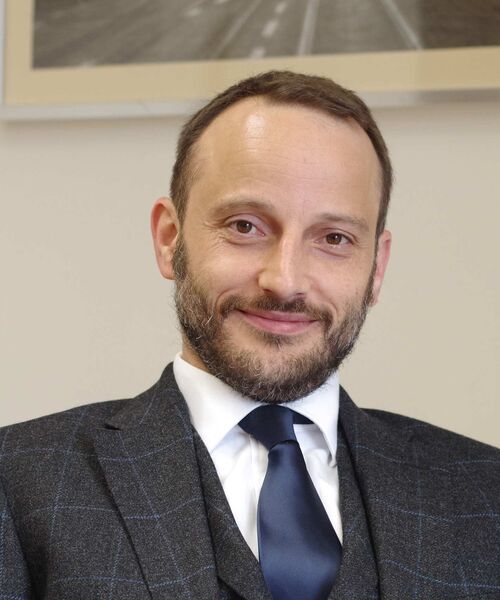
Lawyer Christian Röhl, LL.M.
Certified Intellectual Property Lawyer
Partner

Lawyer Patrick Richnow, LL.M.
Certified Intellectual Property Lawyer
Senior Associate

Lawyer Jan Haßold, LL.M.
Specialized in copyright and media law
Salary Partner
FAQ – Frequently asked questions about copyright protection
No. Protection arises automatically as soon as the work is created. A © symbol from the US legal system is not required.
The threshold of originality refers to the degree of individuality a work must possess in order to be protected. It depends on whether the author has exercised creative freedom and whether their personality is reflected in the work.
No. It is only the specific form of the work that is protected. Ideas can primarily be safeguarded through confidentiality agreements and relevant provisions in contracts.
Only if it is sufficiently original in design. This is doubtful in the case of many logos. Registration as a trade mark offers reliable protection in this regard.
Copyright expires 70 years after the author’s death. Shorter terms apply to neighbouring rights, in particular 50 years for simple photographs.
If the contributions cannot be exploited separately, all those involved are co-authors (§ 8 UrhG). The co-authors decide jointly on publication and exploitation.